All Regarding Steel Foundries: Recognizing Their Duty in Modern Production
Steel foundries are necessary in the production landscape, providing essential solutions via various casting techniques. These centers change molten steel into solid kinds, satisfying diverse sectors. As modern technology advances, foundries are adopting cutting-edge methods and rigorous top quality control actions. The ecological impact of metal casting raises crucial questions. Understanding these characteristics is substantial for grasping the full significance of foundries in contemporary production. What developments and challenges lie in advance for this industry?
The Basics of Steel Casting Strategies
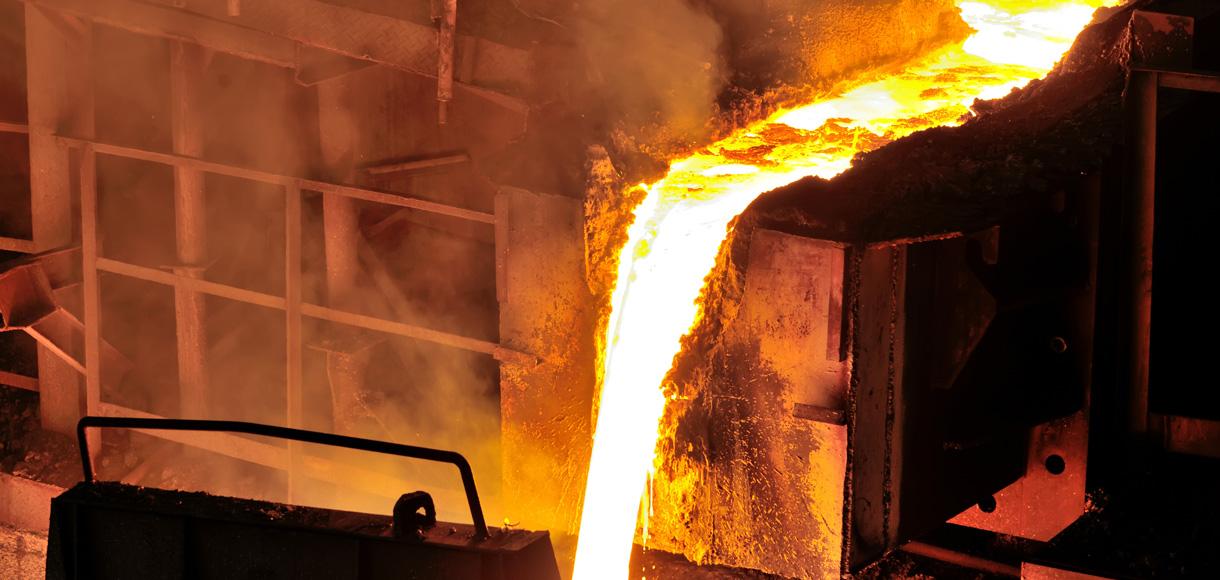
Metal casting strategies develop the structure of the metal factory market, helping with the improvement of molten steel right into strong items. These methods incorporate a number of methods, each tailored to satisfy details production needs. Sand spreading, one of the earliest methods, utilizes sand molds to produce intricate forms. Investment spreading, recognized for its accuracy, uses wax patterns covered in a ceramic covering, allowing for thorough designs. Pass away casting, on the other hand, counts on high-pressure injection of liquified steel into steel molds, producing top notch and regular parts.
Lost foam casting provides advantages in creating complicated geometries without the requirement for typical mold making. Each casting method plays a critical function in accomplishing preferred mechanical residential or commercial properties, surface finishes, and production volumes. As sectors develop, these techniques adjust to incorporate advancements in modern technology, making certain reliable and lasting manufacturing processes. Recognizing these basics equips stakeholders to make enlightened decisions in steel manufacturing.
Types of Metals Made Use Of in Factories
In the domain of shops, the option of steels substantially impacts the spreading process and the last product's performance. Different steels are made use of, each offering distinctive qualities matched for different applications. Commonly made use of steels include light weight aluminum, understood for its lightweight and corrosion resistance; cast iron, which supplies superb wear resistance and machinability; and steel, valued for its strength and durability.
Additionally, copper alloys, such as bronze and brass, are favored for their visual allure and exceptional thermal conductivity. Specialty metals, like titanium and magnesium, are used in particular markets as a result of their special homes, such as high strength-to-weight proportions.
The option of steel inevitably relies on the intended application, required mechanical homes, and ecological considerations. Each sort of steel contributes distinctively to the shop procedure and influences the total high quality and capability of the made elements.
The Significance of Quality Assurance in Steel Foundries
Quality assurance plays a necessary duty in guaranteeing that the items made in steel foundries satisfy market requirements and consumer assumptions. This procedure includes methodical monitoring and examination of numerous stages of production, from basic material choice to the last casting. Applying rigorous quality control measures assists identify problems early, decreasing waste and revamp costs.
Foundries employ a variety of screening methods, including visual inspections, dimensional checks, and metallurgical analyses, to validate that the castings adhere to defined resistances and product residential properties. Consistent high quality control not just enhances product dependability however additionally builds client trust and fulfillment.
Additionally, adherence to high quality criteria usually brings about compliance with regulatory requirements, which is substantial in markets such as aerospace and automotive. Finally, quality assurance is crucial for maintaining the honesty of the casting process and ensuring the long life of metal foundry items in open markets.
Innovations in Factory Technology
Innovations in technology are improving the landscape of metal factories, enhancing performance and product high quality. The integration of automation and robotics in factory procedures has structured processes, minimizing labor expenses and lessening human mistake. Automated sand molding systems permit for faster manufacturing cycles and improved accuracy in casting forms. - Aluminum Foundry
In addition, the adoption of sophisticated simulation software program has transformed the design stage, allowing designers to forecast and solve prospective problems prior to physical production begins. This causes a substantial reduction in product waste and revamp.
Additionally, technologies in 3D printing technology are permitting for the rapid prototyping of complicated parts, promoting faster design iteration and personalization. The development of brand-new alloys and materials enhances the efficiency of cast products, satisfying the evolving demands of various markets. Collectively, these developments are positioning steel foundries at the center of modern-day production, efficient in Metal Casting delivering high-quality products with greater effectiveness.
Environmental Considerations in Steel Casting
As the metal spreading industry progresses, ecological considerations are becoming progressively crucial. Growing recognition of environment change and resource deficiency has triggered factories to take on sustainable techniques. This includes reducing power usage and making use of cleaner technologies, such as electrical heating systems and boosted mold materials that minimize emissions.
Additionally, reusing scrap steel has obtained prestige, not only to preserve resources yet likewise to decrease garbage dump waste. Shops are additionally discovering different binders and finishings that are much less unsafe to the setting.
Governing stress and consumer demand for lasting products additionally compel the market to introduce. Collaboration with environmental companies helps metal shops recognize best techniques and create approaches for waste monitoring.
Regularly Asked Inquiries
What Are the Key Industries That Rely Upon Steel Foundries?
The primary industries that depend on metal foundries include auto, aerospace, building and construction, and equipment manufacturing. These fields depend on actors metal parts for their products, making certain sturdiness and efficiency in different applications and atmospheres.
How Do Factories Guarantee Worker Security During Steel Casting Processes?
Factories execute rigorous safety and security methods, consisting of individual safety devices, air flow systems, and routine training programs. By keeping track of temperatures and discharges, they decrease risks related to metal casting, ensuring a much safer working setting for employees.
What Abilities Are Crucial for Workers in a Metal Factory?
Necessary abilities for employees in a metal shop consist of technical efficiency in equipment operation, attention to information, analytic capabilities, safety and security recognition, team effort, and solid interaction skills to successfully team up in a dynamic manufacturing environment.
Just How Do Factories Deal With Waste Materials and Recycling?
Factories manage waste products with systematic collection, partition, and recycling procedures. They usually repurpose metal scraps, utilize filtration systems for pollutants, and collaborate with reusing facilities to lessen ecological effect and advertise sustainability within their operations.
What Is the Typical Preparation for Steel Spreading Projects?
The common lead time for metal casting jobs ranges from several weeks to a couple of months, depending upon factors such as intricacy, materials called for, and manufacturing capability. Timelines may vary based on particular job demands.
Steel foundries are necessary in the manufacturing landscape, supplying vital solutions via numerous casting methods. Metal Casting. Metal casting techniques develop the structure of the steel factory market, facilitating the improvement of liquified steel right into solid objects. In the domain name of factories, the choice of metals considerably impacts the spreading process and the final item's efficiency. Quality control plays an important role in ensuring that the items manufactured in steel factories fulfill sector requirements and client expectations. The primary markets that depend on metal foundries include automotive, building, aerospace, and machinery production